Plants for a Tough Year
Gardeners and farmers are an adaptable lot. We adapt to changing weather, insect populations, soil health and fertility, markets and more. To a certain extent this is an expected part of growing food. But the difficulties that loom over this growing season seem to have the potential for creating a perfect storm that will hit growers and the global food system particularly hard.
After an historically dry winter, some gardeners and farmers here in the western United States are dealing with the probability of shortened irrigation seasons, unusual dryness of the soil at the start of the growing season, and what will almost certainly be a hotter than usual summer. This in addition to the insect pest pressure that warmer winters and drier conditions can create.
And all over the world farmers are learning that chemical nitrogen fertilizer access will likely be limited. This is utterly unnecessary and totally tragic as it will almost certainly result in new famines in many parts of the world. This should be a wakeup call that these leaders DO NOT have farmers (or eaters) at heart.
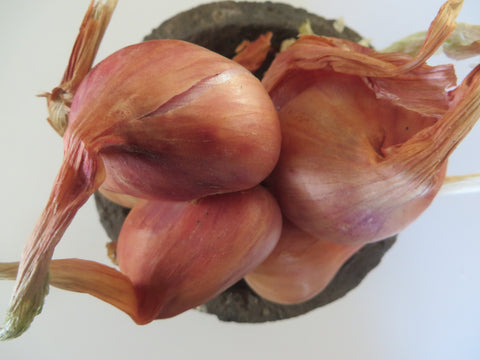
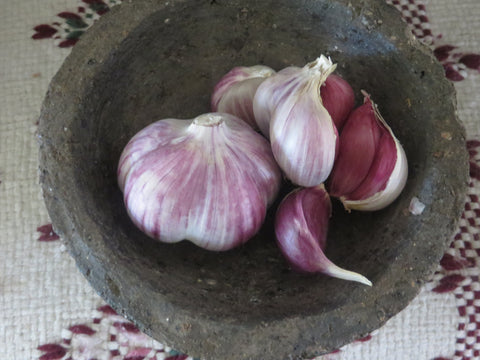
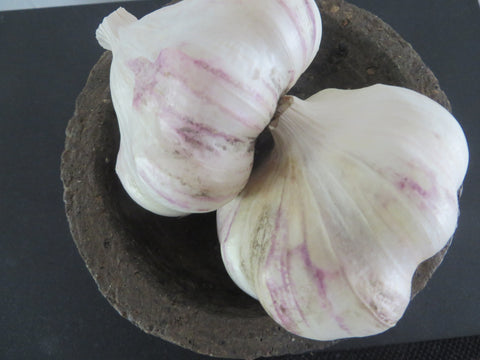
In my own garden, things are feeling off this spring. I’m noticing how dry our garlic is at the start of this growing season. Our overwintering kale has already flowered, but it has flowered before the bees are really out in full force to pollinate so I’m crossing my fingers that it got pollinated. Our lovage got frost damage (which has never happened for us before- its such a hardy perennial!) because it was up and growing so tall with the warm winter, but we still had a very typical hard freeze last week.
While I’m scratching my head about all this, I’m also reminded that this is one of the reasons I garden- it keeps me connected to what is happening with the climate, insects, and weather. We gardeners have our fingers on the pulse when it comes to the general health and balance of our backyard ecosystems. We know when certain plants are flowering compared to years previous, when and how many bees are flying, what pest populations are exploding, and we are a little obsessed with precipitation. While some people remain unconvinced of a warming climate, I think it would be hard to grow a garden in the same place year after year and not notice these changes.
Our focus for the seeds we choose to grow and sell is on the crops and varieties that have sustained people in “hard times”- on marginal soils, in deserts, and in northern climates with short seasons. These are the same crops and varieties that more and more people are turning to now, both out of necessity and out of the desire to start adding more resilient crops to their growing plans.
ARE YOU A GARDENER OR FARMER NEEDING TO ADAPT WHAT YOU GROW THIS YEAR?
If you need or want to reduce your water usage this summer, consider TEPARY BEANS:
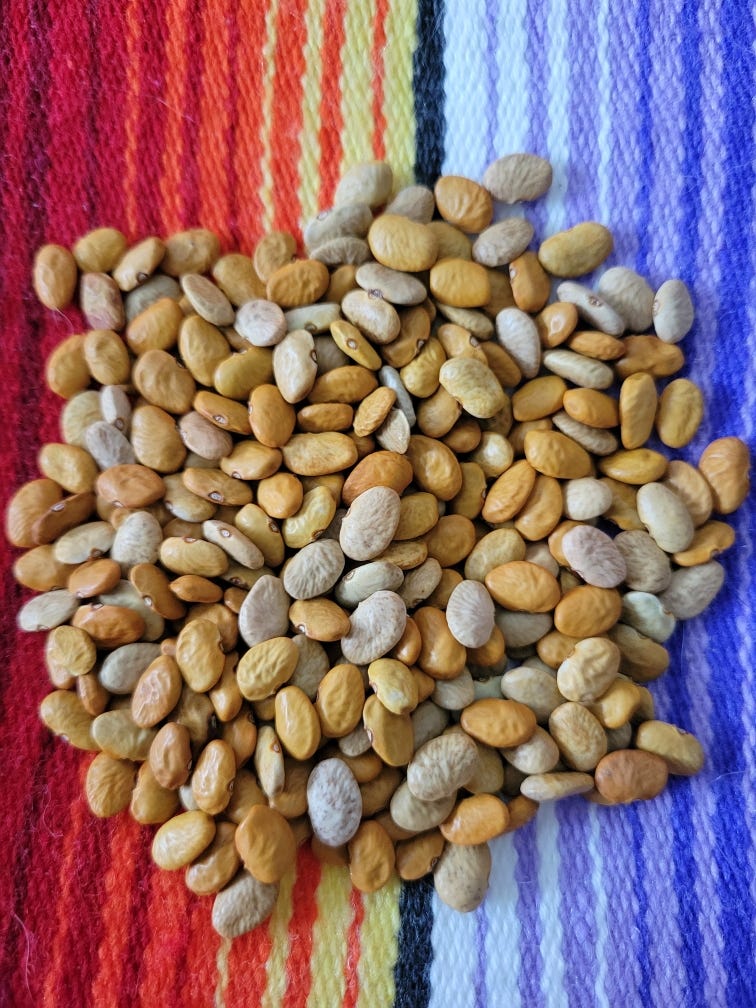
Tepary beans are native to the southwest and are heat and drought tolerant. Bred by indigenous communities that thrive in what many would consider extremely tough growing conditions, tepary beans can get by on much less than other beans. Many of the tepary beans we grow and offer originally came from Native Seeds Search and we really encourage people to check them out. I really love their mission statement: “Native Seeds/SEARCH conserves and shares the seeds of the people of the desert Southwest and Mexico so that these arid-adapted crops may benefit communities and nourish a changing world.”
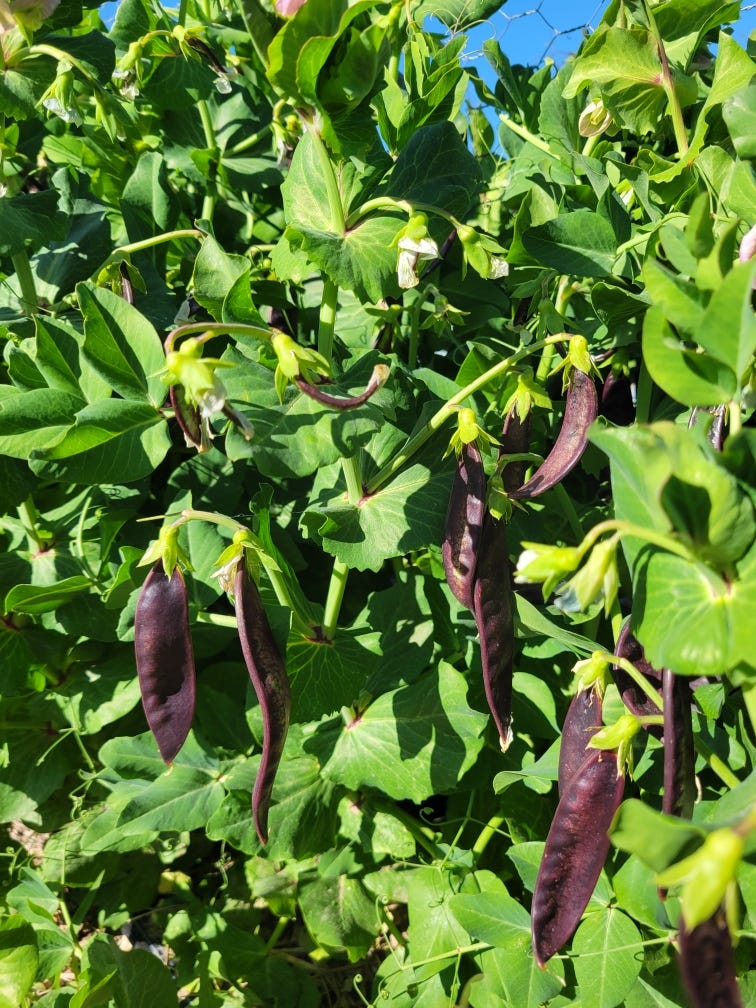
If you’re need or want to grow with less nitrogen fertilizer this summer, consider SOYBEANS and PEAS:
Nitrogen fixing crops like beans, peas, cowpeas, favas, lima beans, and soybeans are able to get some of the nitrogen they require from the air. The roots of these crops form symbiotic relationships with nitrogen-fixing bacteria that are able to turn atmospheric nitrogen into a plant available form. Though none of these crops can produce a yield from just that nitrogen and do need supplemental nitrogen, ideally from a naturally-derived source like compost, their nitrogen requirements are much less than those crops that don’t fix nitrogen.
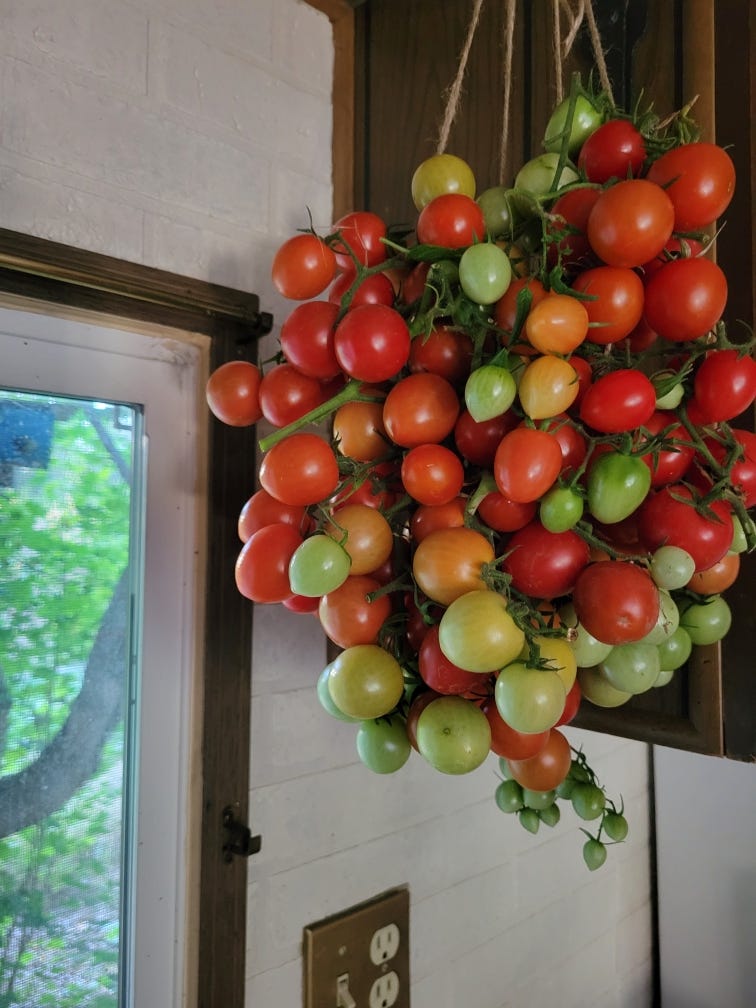
If you need or want to eat your garden produce in the winter with less energy-intensive food processing, consider RAMALLET TOMATOES:
While we love a home grown jar of salsa or tomato sauce, food processing methods like canning can take a lot of fuel. If you’re looking to save fuel this fall, ramallet tomatoes have kept people in fresh-ish tomatoes for centuries in their Mediterranean birthplaces of Italy and Spain. We grow eight varieties of these tomatoes. While each variety is unique, they have in common a thick skin and the fruits generally grow in tresses or clusters. These clusters are clipped at the end of the season and hung inside to be harvested through the early part of the winter. The thick skins keep them fresh, and any tomatoes that are picked green can continue to ripen indoors. The result is something close to a sun dried tomato- in January!
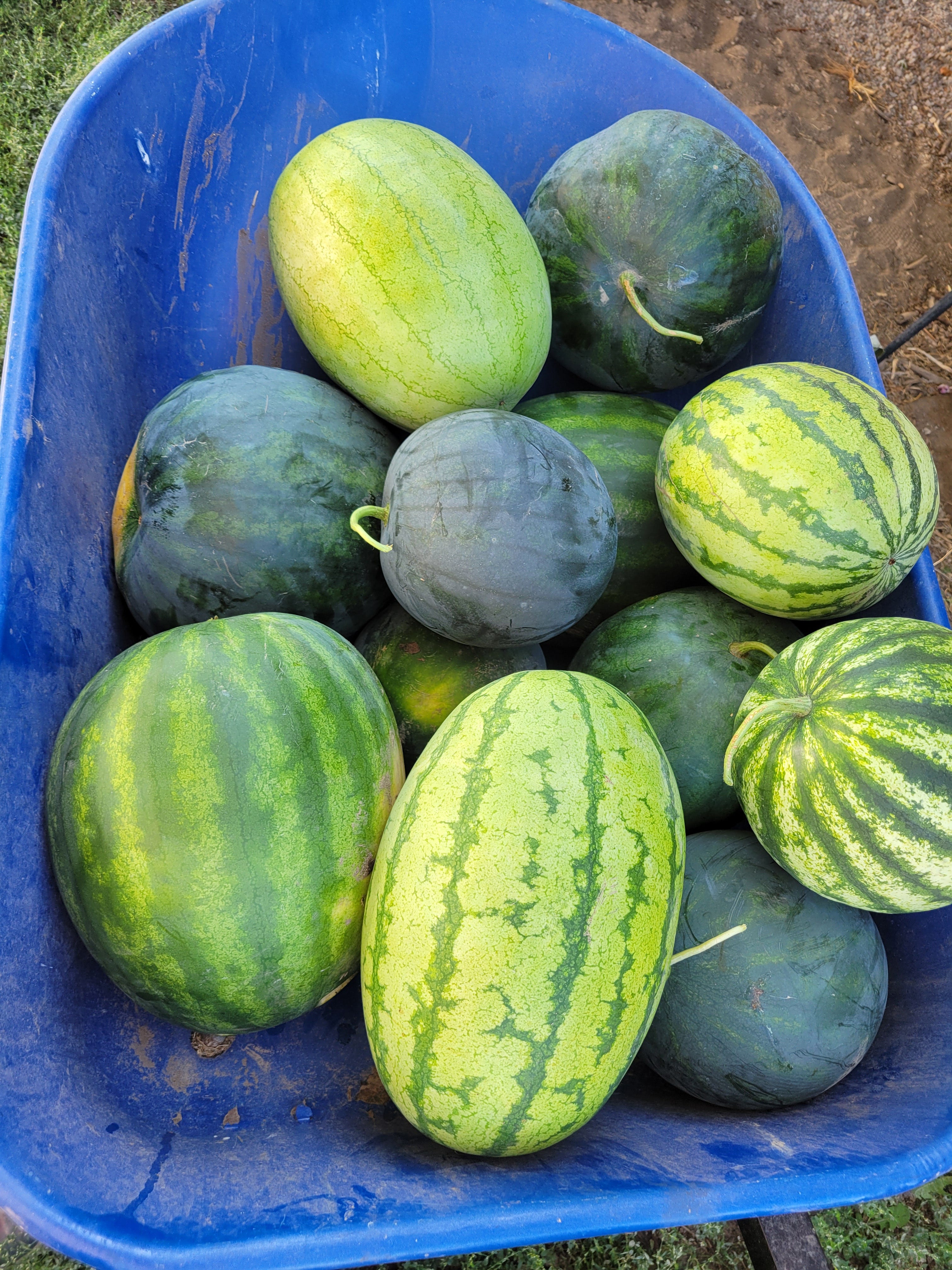
If you need or want to start adapting crops to your own low-input organic growing system, consider starting with a BREEDING POPULATION OR LANDRACE:
All of the landraces and breeding populations that we sell have been assembled from varieties with resilient traits- traits like the ability to handle dry conditions, thrive in low fertility, and produce abundantly. When you start with a breeding population or landrace and have the intention of breeding your own resilient population or variety that thrives in your specific growing conditions, the process can be as simple as growing a genetically diverse population, selecting those plants which grow best to save seed from, and then replanting those seeds. When you grow crops suited to your garden, they grow better and require less.
As we go into what could be a tough growing year for some, be gentle with yourself and others. Know that you are doing important work when you tend to a plant.