News RSS
Cowpeas are a Symbol of Resilience and Cultural Identity


Its Vigna unguiculata we are talking about! Cowpeas have so many names! As a seed company, its hard to know how best to list this amazing plant so that the most people find it. It’s also known as southern pea, field pea, red pea, or black-eyed pea. There is also a movement to rename cowpeas entirely to African Peas in honor of the continent and people that originated the cowpea. Whatever you call them, I’m convinced they are the most fun plant to harvest. Drying pods are easy to find, sticking out from the tops and sides of plants like...
Why tepary beans are a perfect fit for your climate-resilient garden


A food from the desert. One of the most arid-adapted crops in the world. Small and somewhat wrinkled, it looks like a food for hard times, but as soon as you cook it you’ll realize that this bean is as plump and filling as any other. To know the tepary is to love the tepary, and I think more people should know about tepary beans! I started growing tepary beans after meeting plant breeder Joseph Lofthouse in northern Utah. Joseph was breeding a landrace of bush tepary beans that would mature extra early in short season climates. Traditional tepary bean varieties differ widely and...
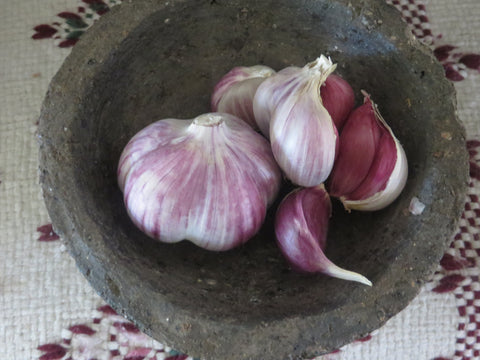
Garlic preorder for 2026 is now open! Here are ten steps to growing great garlic:


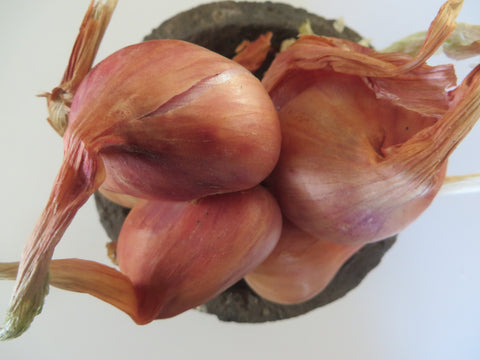
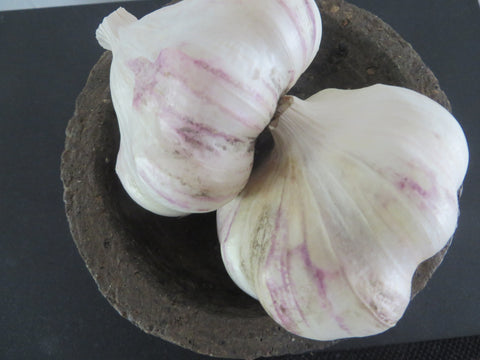
10 Steps to Great Garlic Early fall is the time to plant garlic and shallots! Some of our garlic varieties sell out fast, so preorder soon!Growing great garlic is a relatively simple, follow these few steps will have you turning out beautiful heads next summer.1. Plant individual cloves with the root side down 2-3 inches deep and 12" apart September through the end of November, depending on your climate. Wait until after your first frost, but before the ground freezes. It's a pretty forgiving time frame compared to other crops, but garlic that has had a little time to get...
Organic, No-till Weed Control with Stale Seed Beds


Not today, weeds, tilling, or herbicides! Maybe you’ve been here before too- you create the perfect little seed beds for your carrots, lettuce, or corn only to find them germinating alongside a sea of weeds. Turns out the soil was full of weed seeds just waiting for the perfect conditions to burst to life as well. As a seed farm, we always have seeds adding themselves to the soil, both from weeds and from the seed crops we grow. It can be so discouraging to see my teeny tiny seedlings coming up with weeds, knowing that weeding them out before...
Guerilla Gardening with Grapes


We are always looking for hardy perennials we can add to our little home orchard. One way to get free perennials that are adapted to your climate and growing conditions is to take cuttings from thriving perennials already growing near you. Last fall, Tyler began the process of trying to bring some amazing hardy table grapes to our place from a untended grape planting in the landscaping of his office building. Enter: Tyler’s unsuspecting office building- He began the process by marking the vines of the best tasting grapes so he would know which ones to take cuttings from in...